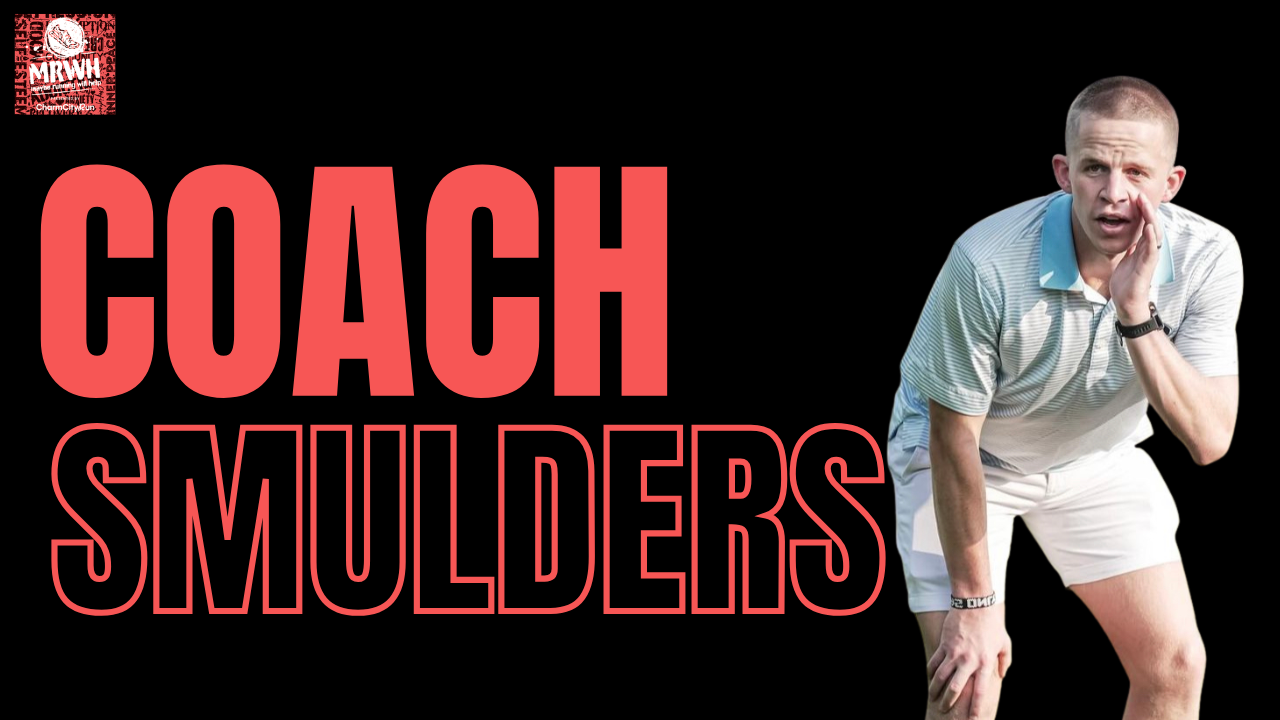
Are You Holding Yourself Back as a Runner? Coach Everett Smulders on Mindset, Commitment, and Chasing Big Goals
Friday, November 6, 2026
By: Nicky Tamberrino, Host of the “Maybe Running Will Help” Podcast
What if the biggest thing standing between you and your next running breakthrough isn’t your training plan, your genetics, or your fitness, but the way you think about your potential?
On this episode of Maybe Running Will Help, Nicky Tamberrino sits down with Everett Smulders, a sub-four-minute miler, ultramarathon runner, and founder of WesFly Training, for a conversation about what it really takes to become a better runner.
Known for his bold opinions and direct coaching style, Everett isn’t afraid to challenge conventional thinking. From his belief that more runners are capable of qualifying for Boston than they realize to his frustration with athletes obsessing over the smallest training details, his message is simple: Stop looking for shortcuts and start committing to the process.
But there’s more to his philosophy than tough love. Throughout the conversation, Everett shares lessons from his own running career, including the humbling experience of dropping out of a 100-mile race at mile 92, and explains why becoming a better runner should ultimately make your life better, too.
Stop Obsessing Over the 1%
Heart rate zones, lactate testing, fueling strategies, double-threshold workouts. There’s no shortage of information telling runners how to optimize their training.
But according to Everett, too many runners are focusing on the smallest details before they’ve mastered the fundamentals.
He argues that consistency, commitment, and putting in the work over months and years matter far more than finding the perfect training method.
That doesn’t mean the details are unimportant. It means they shouldn’t distract from the bigger picture.
Before worrying about optimizing every workout, ask yourself whether you’ve consistently followed a training plan long enough to see what you’re capable of achieving.
Are You Counting Yourself Out Before You Even Try?
One of Everett’s more controversial opinions is that far more runners are capable of qualifying for the Boston Marathon than they believe.
He acknowledges that not everyone can realistically achieve a Boston qualifying time. His point is about the runners who decide something is impossible without ever fully committing to the pursuit.
How often do we set limits on ourselves before discovering what we’re capable of?
For Everett, belief is an important part of performance. That doesn’t mean ignoring reality or pretending every goal is achievable. It means recognizing when your own assumptions are preventing you from taking action.
Sometimes the biggest breakthrough happens when you stop asking whether you’re capable and start asking what it would take to find out.
Accountability Is About More Than Showing Up
Nicky and Everett also explore the relationship between coaches and athletes, particularly the importance of honest communication and accountability.
Everett believes a good coach shouldn’t always tell an athlete what feels encouraging. Sometimes the most valuable feedback is what the athlete needs to hear, even when it’s uncomfortable.
But effective coaching isn’t about being harsh for the sake of it. It’s about understanding each athlete, recognizing what motivates them, and communicating in a way that helps them improve.
Nicky shares how her own coach, Jeff Cunningham, keeps her grounded when she’s tempted to push harder than prescribed. After completing a workout at the assigned paces, she told him she wished she’d gone faster. His response? If he’d wanted her to run faster, he would have prescribed faster paces.
It’s a reminder that successful training requires trust, communication, and the discipline to follow a plan, even when your instincts tell you to do more.
Sometimes the Hardest Lessons Come From Failure
Everett has raced everything from the mile to 100-mile ultramarathons, but some of his most meaningful lessons have come from races that didn’t go according to plan.
During a 100-mile race in Ireland, he started too fast and struggled badly after mile 35.
Despite encouragement from his wife and crew, he eventually dropped out at mile 92, just eight miles from the finish.
Looking back, Everett describes the experience as a mental breaking point.
That race has stayed with him. During subsequent ultramarathons, he’s drawn on the memory of how it felt to quit, using that experience to help him push through difficult moments.
It’s a powerful example of how running can humble even the most accomplished athletes.
Failure doesn’t automatically make someone a better runner. But reflecting on what went wrong, learning from it, and applying those lessons can change the way an athlete approaches future challenges.
Remember Why You Started Running
For all his emphasis on discipline, commitment, and ambitious goals, Everett offers an important reminder: running is supposed to add value to our lives.
It’s easy to get caught up in personal records, qualifying standards, training metrics, and comparisons. But when running becomes a constant source of stress rather than something meaningful, it may be time to reconsider what you’re trying to get out of it.
That doesn’t mean abandoning big goals or avoiding difficult training. It means making sure the pursuit is still serving you.
Whether you’re training for your first 5K, chasing a Boston qualifying time, or preparing to run 100 miles, the process should offer something beyond a finish-line result.
What Could Happen If You Fully Committed?
Perhaps the biggest takeaway from Nicky’s conversation with Everett is that meaningful improvement takes time.
One great workout won’t transform your fitness. Neither will one perfect training block. But consistent effort, repeated over months and years, can lead to progress you might never have imagined when you started.
The challenge isn’t necessarily finding a better plan. Sometimes it’s giving yourself the opportunity to discover what happens when you truly commit to the one you already have.
Listen to the full episode of Maybe Running Will Help with Everett Smulders for more on training smarter, building confidence, learning from failure, and finding the balance between chasing ambitious goals and enjoying the sport along the way.